Free with every order

Grow guides, not guesswork.

Every order ships with the printed guide for what you bought. They all live here free too — because knowing how to keep it alive is half of why folks come back. Written from real El Campo seasons by Jordan Polasek.

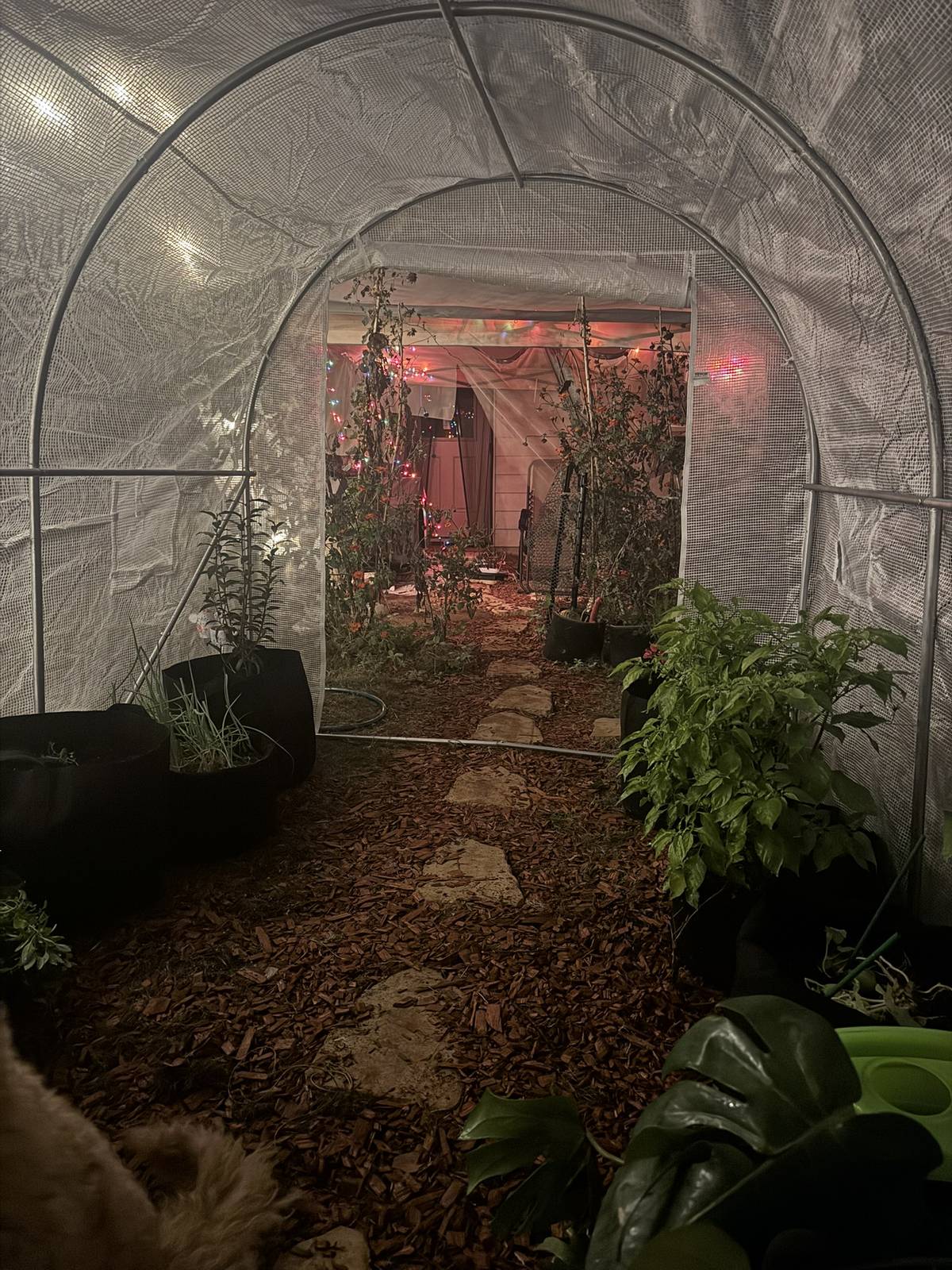
Seed starting in the Texas Roots greenhouse
Seeds · Beginner

Starting Seeds in Texas Heat

When to sow, how deep, and how to keep seedlings alive through a Gulf Coast summer.

Read the guide

Timing

On the Gulf Coast (zone 9a), start warm-season seed indoors in late January and set out after mid-March. Fall is your second window — sow heat-tolerant greens and herbs in September.

Sowing depth

  1. Tiny seed (basil, marigold): barely cover, ⅛".
  2. Medium (tomato, pepper): ¼".
  3. Large (beans, squash): 1".

Surviving the heat

Keep soil evenly moist, never soggy. Bottom-water trays to avoid damping-off. Once it's above 90°F, give afternoon shade and water early morning.
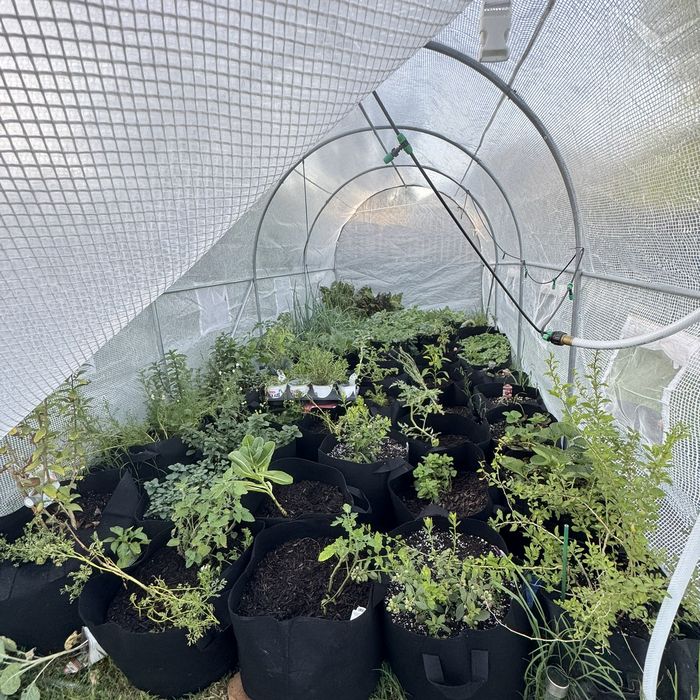
Rooted cuttings ready to pot up
Cuttings · Beginner

Potting Up Your Cutting

From damp wrap to thriving plant — soil mix, light, and the first two weeks that matter most.

Read the guide

Unwrap right away

Open the package the day it arrives. Pop the cutting in water for an hour if it looks thirsty.

Pot it

  1. Use a 3–4" pot with drainage.
  2. Mix: 2 parts potting soil, 1 part perlite.
  3. Bury the roots, firm gently, water in.

First two weeks

Bright indirect light, not direct sun. Keep soil lightly moist. New growth means it's established — then move it to its permanent spot.

Saving seed from greenhouse plants
Seeds · Intermediate

Saving Your Own Seed

Close the loop — harvest, dry, and store seed from this year's plants for next year's garden.

Read the guide

Let it finish

Leave a few of your best plants to fully mature — pods brown and dry, tomatoes overripe, flowers gone to head.

Harvest & dry

  1. Collect on a dry day.
  2. For wet seed (tomato), ferment in water 2–3 days, rinse, dry.
  3. Spread on a plate out of sun for a week.

Store

Fully dry seed into a labeled paper envelope, cool and dark. Good for 2–4 years for most varieties.

Herbs in the greenhouse
Herbs · Beginner

Keeping Herbs Alive Indoors

The light, water, and pinching routine that keeps basil, mint, and rosemary going on a windowsill.

Read the guide

Light

Herbs want 6+ hours of bright light. A south window or a cheap grow light does it.

Water

Let the top inch dry between waterings. Mint likes it damper; rosemary likes it drier.

Pinch often

Pinch the top set of leaves weekly — it forces bushier growth and delays flowering, which keeps the flavor.

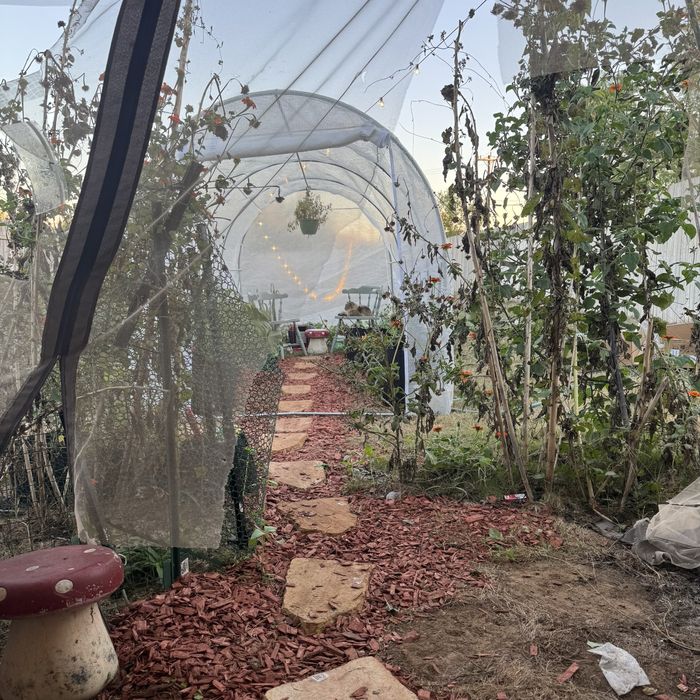
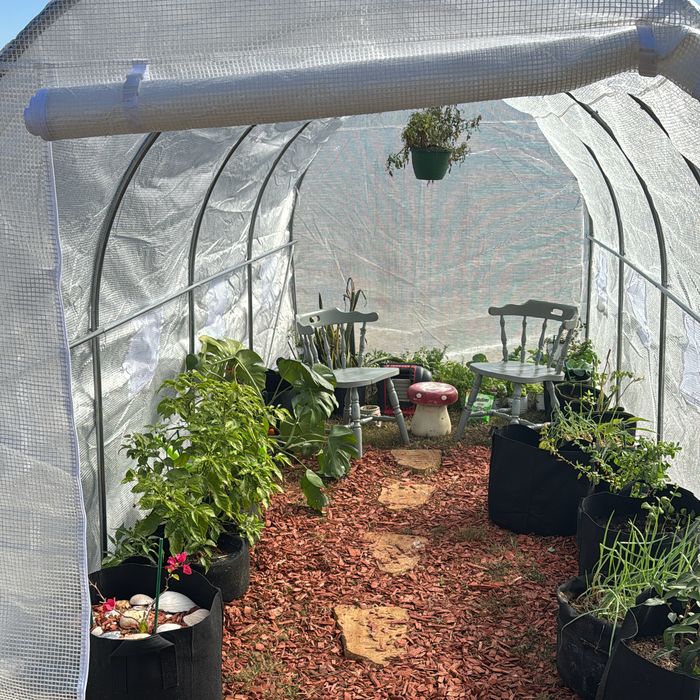
Greenhouse under grow lights
Setup · Intermediate

A Tiny Greenhouse Setup

How the El Campo tunnel is run on a budget — grow bags, shade cloth, and grow lights.

Read the guide

The structure

A pop-up hoop tunnel with mesh sides gives airflow and frost protection without a big build.

Grow bags

Fabric grow bags drain well, air-prune roots, and move easily. 5–7 gallon suits most herbs and peppers.

Light & shade

Full-spectrum LED strips extend the season; 30–40% shade cloth keeps it from cooking in July.

Taking cuttings from mother plants
Cuttings · Intermediate

Taking Your Own Cuttings

Turn one plant into ten — how to take, treat, and root cuttings the way Texas Roots does.

Read the guide

Take the cutting

  1. Snip 4–6" of healthy new growth below a node.
  2. Strip the lower leaves.
  3. Dip the cut end in rooting hormone.

Root it

Stick in moist perlite or water. Cover with a humidity dome. Roots in 1–3 weeks depending on the plant.

Pot up

Once roots hit an inch, pot into soil and treat it like a new plant.

Got a plant question?

Jordan answers every grow question that comes in — whether you bought from Texas Roots or not.

Ask Jordan →